We're here to help! Chat with our live agents, or leave your contact information and we'll get back to you.
Want more information?
Living in Barcelona
Every day in Barcelona is an opportunity to explore, learn, and grow in an enriching environment.
Barcelona's top 4 popular neighbourhoods
Barcelona is a vibrant city, a mosaic of neighbourhoods, each with its own personality and charm.
Three tips for newcomers to Barcelona
Adapting to a new city can be a challenge. Here are some tips to enjoy Barcelona.
Where to live in Barcelona?
Choosing to stay in the Poblenou neighborhood, where our campus is located, can reduce travel time and transportation costs, but there are many other options to consider.
We have partnerships with numerous accommodations, meaning you can enjoy discounts or benefits when making your reservation by showing your LCI Barcelona card or confirming that you are part of the LCI community.
5 reasons why Barcelona is the best city to study in Spain
Mediterranean climate
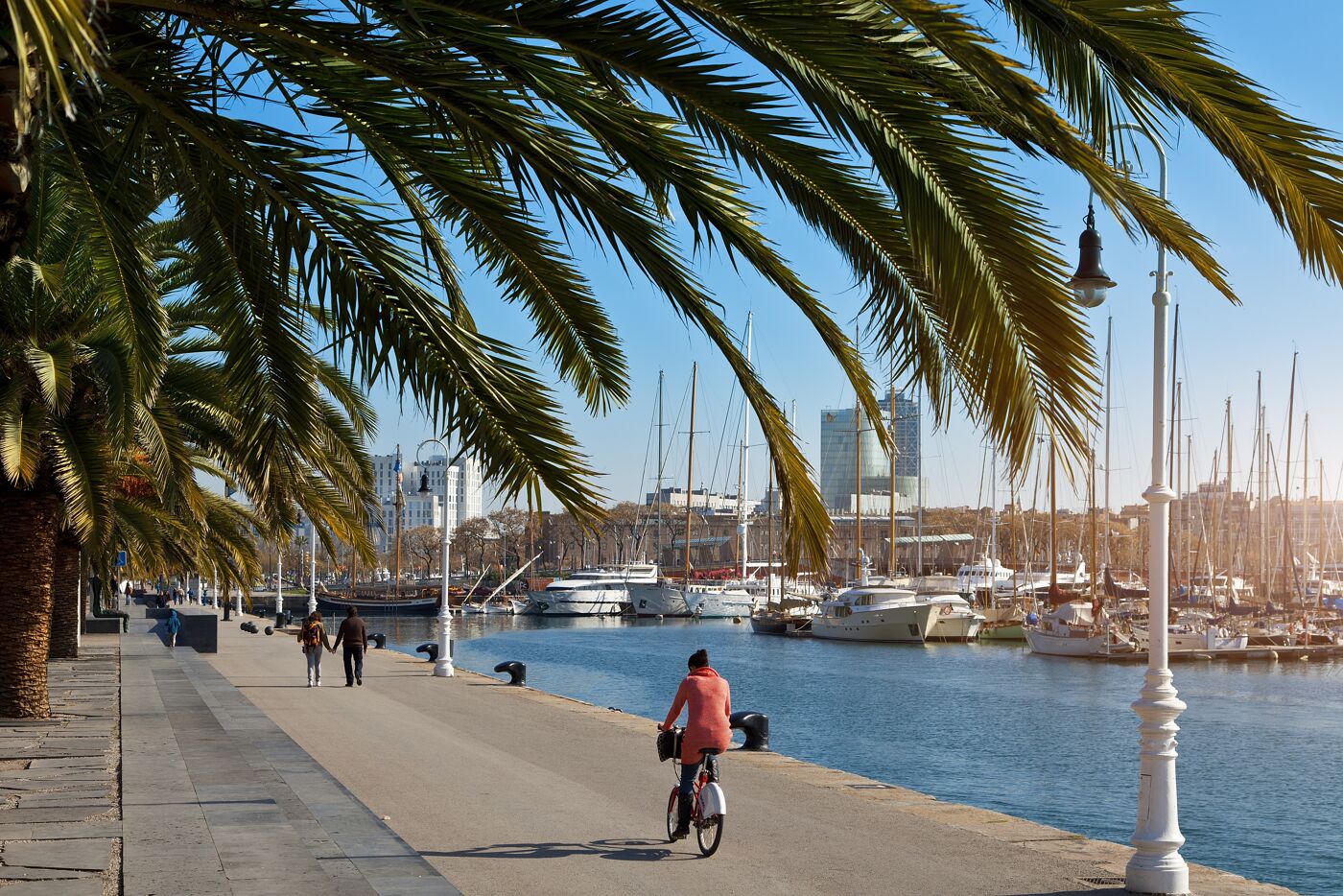
Barcelona enjoys a mild and pleasant climate year-round, with mild winters and warm summers. This environment allows for outdoor activities and an active student life, both at the beach and in the city's parks.
A creative hub in constant evolution
Known as one of the world capitals of creativity and innovation, Barcelona hosts numerous design, art, and technology events throughout the year. The city attracts professionals and students from all over the world, creating an inspiring atmosphere full of opportunities.
Unique culture and heritage
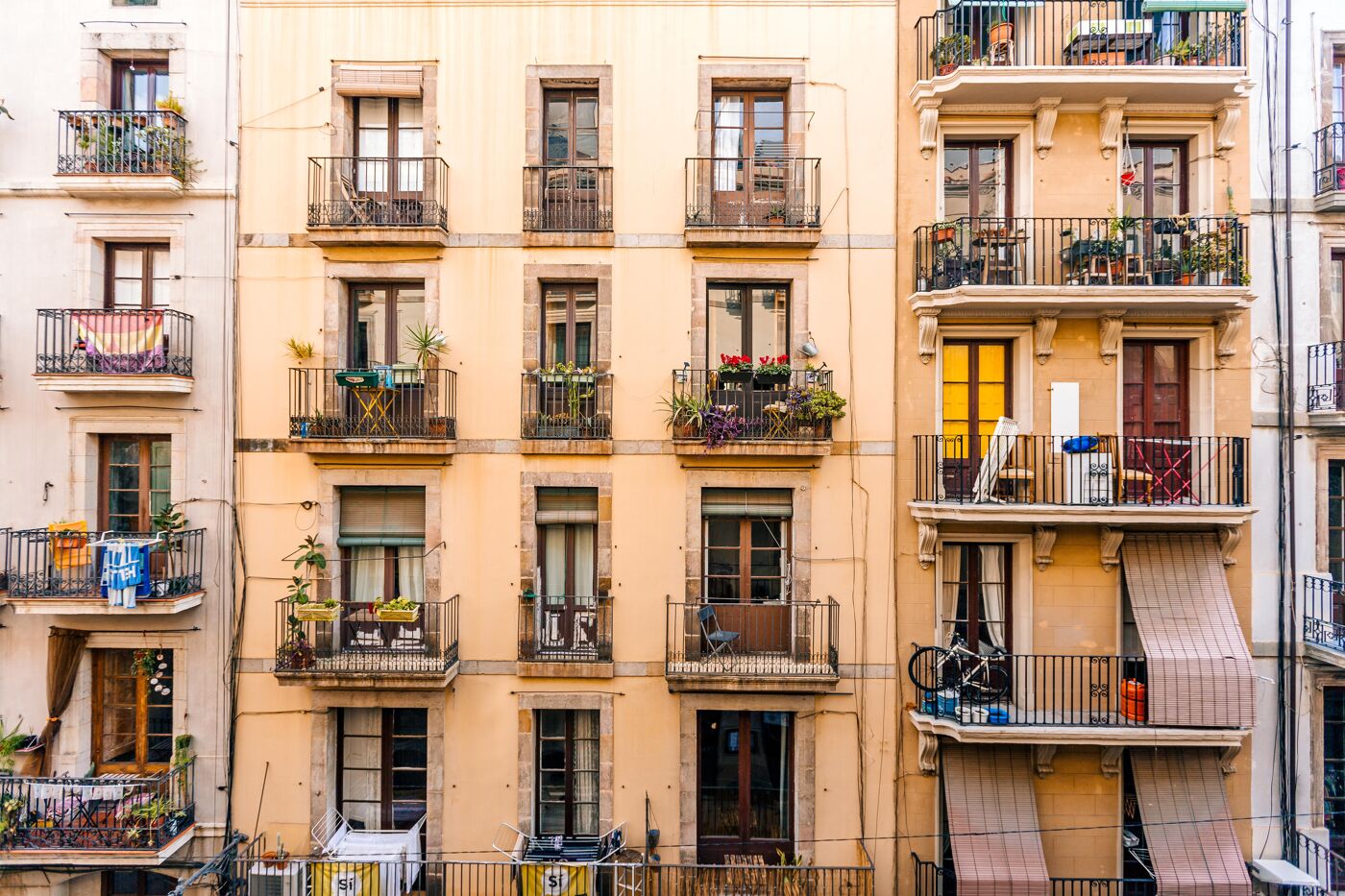
Barcelona is a crossroads of cultures and styles, where historic neighborhoods, contemporary art, and a vibrant urban life coexist. The city offers students a diverse cultural experience, with activities ranging from art exhibitions and independent cinema to outdoor concerts and local markets.
Global network of connections
With an international airport and seaport, Barcelona is the perfect gateway for those looking to explore Europe. Additionally, the city hosts prestigious conferences and fairs, providing students with unique networking opportunities in a global environment.
Commitment to sustainability
Barcelona promotes sustainable development by encouraging cycling, efficient public transport, and the expansion of green spaces. Its environmental commitment and ecological initiatives have positioned it as a leader in sustainability, both nationally and internationally.
Spain, more accessible than you think
Studying in Spain offers excellent value for money, with a lower cost of living than in other European countries. Enjoy a quality education and an affordable lifestyle in a country full of opportunities.
Spain is a welcoming country where numerous cultures converge, with cities full of diversity and open to students from all over the world. Here, everyone can feel at home and enjoy an inclusive and enriching environment.
Frequently Asked Questions
Want to learn more?
Got questions?
We're here to help! Chat with our live agents, or leave your contact information and we'll get back to you.
Want more information?
An incomparable destination
Explore everything Spain has to offer: nature, innovation, creativity, culture, and more.
A paradise of coastlines and beaches
With thousands of kilometers of coastline, Spain boasts beaches of every type, from the crystal-clear waters of the Mediterranean to the waves of the Atlantic. It’s the perfect setting to enjoy the sea and water sports.